
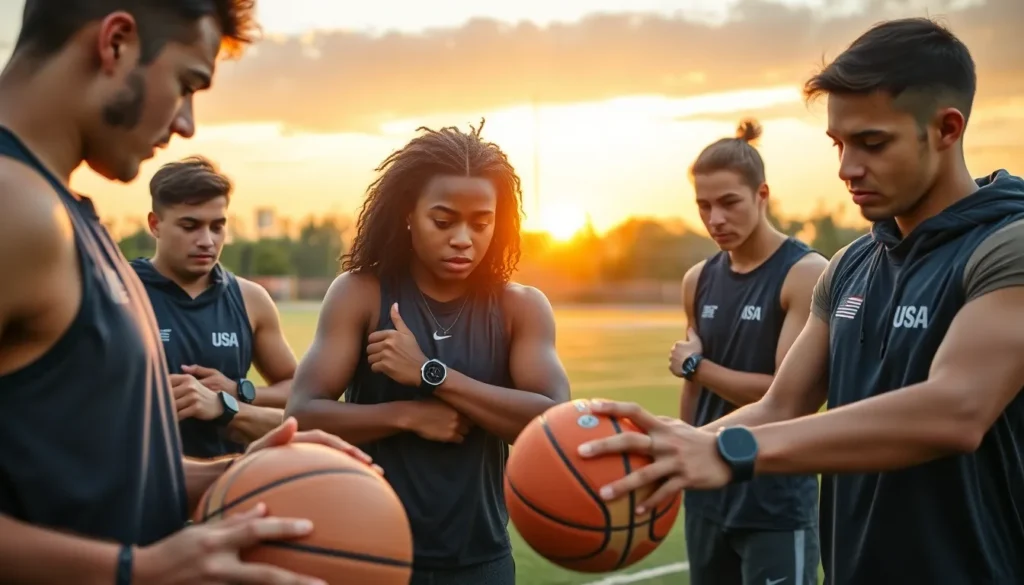
In the fast-paced world of sports, technology is the secret sauce that turns average athletes into superstars. From smart wearables that track every heartbeat to AI-driven analytics that predict game outcomes, the intersection of sports and tech is nothing short of thrilling. If you think your favorite player’s performance is impressive, wait until you see what the latest gadgets can do!
Overview of Sports Technology News
Technology’s impact on sports continues to grow, influencing various aspects of the industry. Innovations in smart wearables allow athletes to track health metrics such as heart rate, sleep patterns, and activity levels. These devices enhance training regimens by providing real-time data, enabling athletes to optimize performance.
AI-driven analytics transform how teams prepare for games. Advanced algorithms analyze player performance and team strategies, offering insights that improve decision-making. Coaches utilize these insights to develop customized training programs, targeting specific weaknesses and enhancing overall team cohesion.
Emerging technologies like virtual reality (VR) facilitate training simulations. Athletes immerse themselves in lifelike environments, honing their skills without the physical demands of traditional practice. This innovative approach not only increases engagement but also helps athletes visualize game scenarios and improve strategic thinking.
In addition, advancements in equipment design have led to increased performance. Materials used in sports gear undergo continuous improvements, resulting in lighter, more durable products. Enhanced footwear and apparel contribute to greater athlete endurance and efficiency.
Moreover, data analytics now plays a crucial role in fan engagement. Sports organizations leverage insights from social media and app usage to tailor marketing strategies. These approaches enable teams to create personalized experiences, strengthening connections with fans and enhancing loyalty.
Integrating technology into every facet of sports reflects a commitment to advancement. Progress in this sector shapes entertainment, fitness, and health in unprecedented ways.
Latest Innovations in Sports Technology
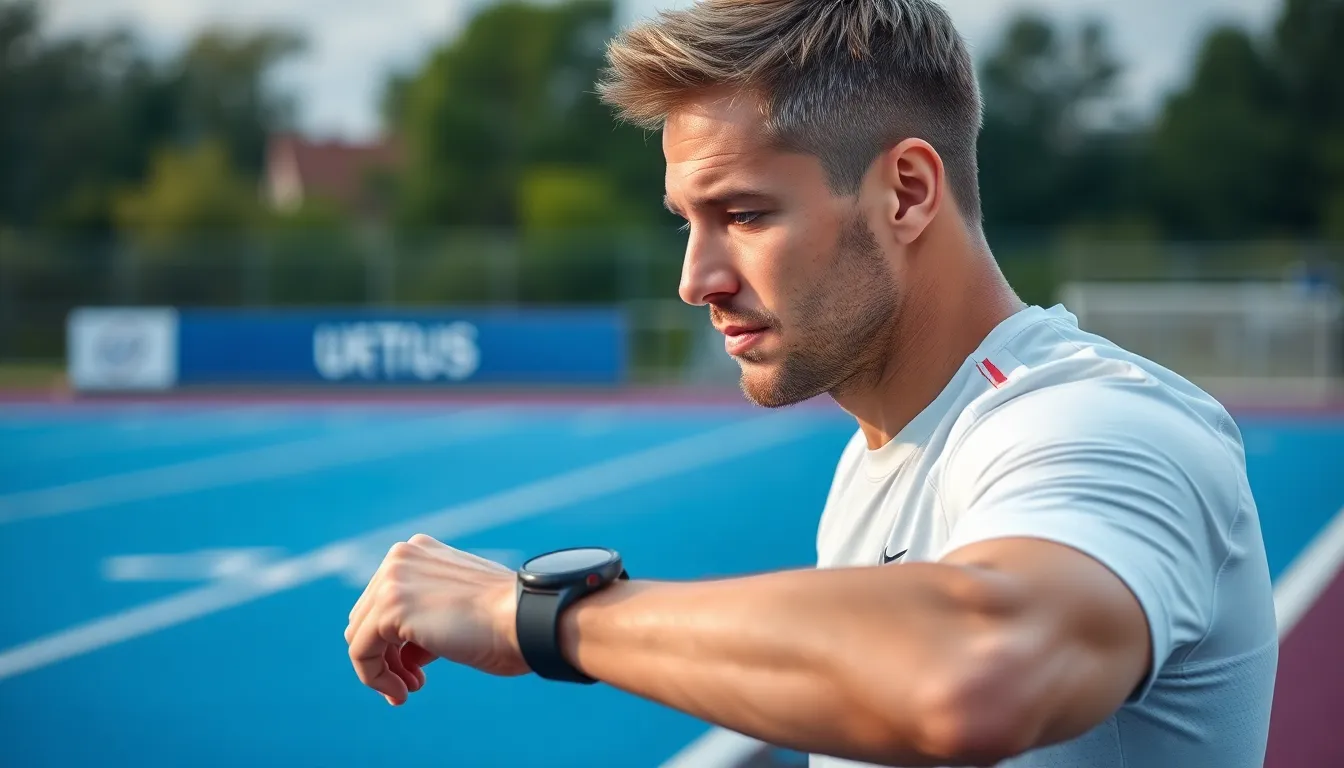

Innovations in sports technology continuously reshape the landscape of athletic performance and fan engagement. Recent developments reflect a strong focus on enhancing both athlete capabilities and spectator experiences.
Wearable Technology Advancements
Wearable technology has progressed significantly, providing athletes with vital data to improve performance. Smartwatches and fitness trackers now monitor heart rate, sleep, and recovery metrics with high accuracy. Real-time feedback allows for immediate adjustments during training sessions, optimizing workout effectiveness. Innovations include advanced sensors that track movement patterns, enabling athletes to refine technique. Companies like WHOOP are leading the charge, offering devices that deliver insights tailored to individual training regimens. As this technology evolves, personalization becomes increasingly essential, allowing athletes to tailor nutrition and recovery strategies based on precise data.
Smart Equipment Developments
Smart equipment is emerging as a game-changer in various sports. Basketballs equipped with sensors analyze shooting techniques, while soccer balls assess kick strength and precision. Such advancements provide coaches and athletes with actionable insights, enabling targeted skill improvement. Companies such as Wilson and Adidas are spearheading these innovations, integrating smart technologies into traditional sports gear. Enhanced durability and performance features are also evident in tennis rackets and golf clubs, designed to respond to player feedback in real time. These developments not only elevate athletic performance but also engage fans with interactive data, enriching the overall sports experience.
Impact of Technology on Athlete Performance
Technology significantly enhances athlete performance through various innovative approaches. Data analytics emerges as a game changer, providing athletes and coaches with insights for improved outcomes.
Data Analytics and Performance Tracking
Data analytics transforms how athletes train. It allows for real-time performance tracking, offering valuable insights. Wearable devices collect data on metrics such as heart rate and sleep patterns. Coaches utilize this information to tailor training regimens specifically to individual needs. Companies like WHOOP harness personalized data to promote recovery strategies. With actionable insights, athletes can fine-tune their workouts, optimizing their performance and minimizing injury risks.
Biomechanics and Training Enhancements
Biomechanics plays a crucial role in athletic training advancements. By analyzing movement patterns, experts identify areas for improvement. Innovations in motion capture technology grant precise measurements of athletes’ techniques. This data assists in refining skills, ensuring athletes utilize optimal form during their performances. Equipment designed with biomechanics in mind enhances training effectiveness. Sports gear, engineered for better performance, helps reduce fatigue and boosts efficiency. These technologies collectively contribute to superior athletic capability and performance levels.
Major Trends in Sports Technology
Sports technology continues to evolve, bringing remarkable innovations that change how athletes train and compete. Two significant trends shaping this landscape include the use of virtual and augmented reality and AI and machine learning applications.
Virtual and Augmented Reality in Sports
Virtual reality (VR) is transforming training regimens, offering athletes immersive environments to practice crucial skills. Through VR simulations, players can experience game scenarios without the physical strain. Augmented reality (AR), on the other hand, overlays digital information onto the real world, enhancing on-field training with real-time feedback. For example, athletes can visualize data analytics during practice sessions, leading to immediate improvements. Training facilities increasingly incorporate these technologies, promoting skill enhancement through interactive experiences.
AI and Machine Learning Applications
AI and machine learning are revolutionizing sports analytics by providing deeper insights into performance. Analyzing data from various sources, AI can identify patterns that enhance training efficiency. Coaches rely on AI-driven platforms to tailor training programs based on players’ unique needs. Machine learning algorithms predict game outcomes and strategize plays by processing extensive datasets and historical performance metrics. As a result, teams can make more informed decisions that contribute to winning strategies, relying on data over intuition.
Challenges Facing Sports Technology
The rapid advancement of sports technology brings several challenges. First, data privacy concerns arise with the collection of sensitive athlete information. Organizations must safeguard personal health metrics and usage data from potential breaches, balancing innovation with security.
Another issue is the high cost of implementation and maintenance of advanced technologies. Many teams, especially at lower levels, struggle to invest in wearable devices or AI analytics due to budget constraints. This disparity can widen the gap between elite and amateur sports.
Integration remains a critical obstacle. The seamless combination of new technology with traditional practices poses difficulties for coaches and athletes. Familiarity with existing methods often hinders the adoption of cutting-edge tools necessary for improvement.
User experience takes precedence as well. If athletes find wearable devices uncomfortable or complicated, they may not use them effectively. Creating intuitive designs that athletes can easily incorporate into their routines is essential for driving adoption.
Moreover, technological dependence can detract from fundamental skills. Over-reliance on data may result in athletes neglecting essential training techniques. Striking a balance between utilizing technology and developing core skills is vital.
Finally, the need for continuous updates and education creates a persistent challenge. Keeping up with the latest technologies requires regular training for coaches and players. As new features emerge, staying informed becomes necessary to leverage benefits effectively.
These challenges reflect the complexities inherent in integrating technology into sports. Addressing them ensures that technological advances continue to enhance athletic performance and fan engagement without compromising essential values.