
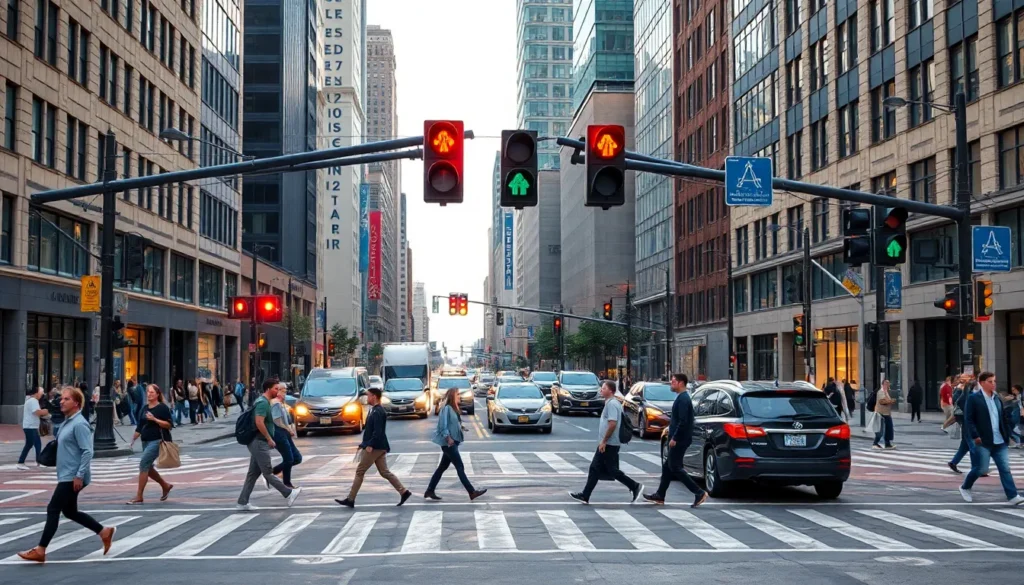
In a world where cities are bursting at the seams and traffic jams feel like a second home, smart city solutions are the superhero we didn’t know we needed. Imagine a city that knows when you’re running late for work and adjusts traffic lights just for you. Sounds like science fiction? Well, it’s happening now, and it’s time to embrace the future.
Overview of Smart City Solutions
Smart city solutions encompass various technologies aimed at improving urban living. These technologies address specific needs, from traffic management to waste reduction. Real-time data collection leads to informed decision-making, allowing cities to adapt to changing conditions quickly.
One significant aspect involves intelligent transportation systems. Smart traffic lights adjust based on real-time traffic flow, reducing congestion and improving commute times. Public transportation options integrate mobile apps for easier access, enhancing user experience and efficiency.
Another area of focus is energy management. Smart grids enable better distribution and monitoring of energy use. By optimizing energy consumption, cities can reduce costs and environmental impact. In addition, renewable energy sources, such as solar and wind, contribute to sustainable urban environments.
Public safety solutions also play a critical role. Surveillance systems equipped with AI analyze footage for suspicious activities. Emergency response times improve through data-driven insights, leading to safer communities.
Smart waste management technologies involve sensors in waste bins that signal when collections are necessary. This approach minimizes overflow and reduces collection costs. Cities implementing these technologies see enhanced cleanliness and efficiency.
Furthermore, citizen engagement tools promote participation in urban planning. Mobile platforms allow residents to voice concerns and offer feedback on city services, fostering a sense of community. Engaging citizens in decision-making enhances transparency and accountability.
Overall, smart city solutions represent a holistic approach to urban challenges. As cities embrace these innovations, they create environments that prioritize sustainability, efficiency, and citizen well-being.
Key Components of Smart City Solutions
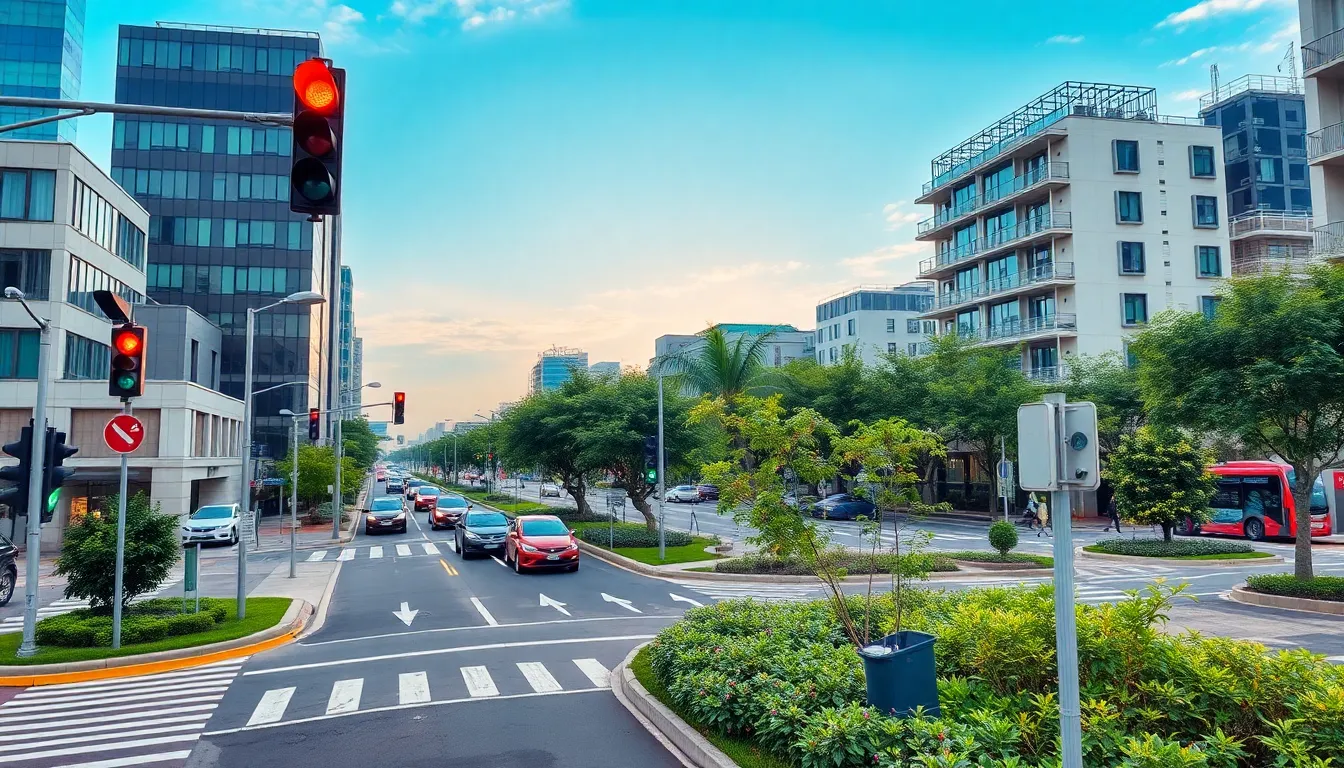
Smart city solutions rely on several key components that enhance urban living. These elements improve efficiency, sustainability, and overall quality of life.
IoT and Sensor Technologies
IoT and sensor technologies serve as the backbone of smart city solutions. These devices collect data from various urban environments. Sensors monitor traffic flow, air quality, and energy usage. They provide real-time information that city officials use for better decision-making. For instance, smart traffic lights adapt based on congestion levels, ensuring smoother vehicle movement. Furthermore, various sensors contribute to intelligent waste management by signaling when bins require collection. This approach minimizes operational costs and reduces environmental impact.
Data Analytics and Management
Data analytics and management play a vital role in processing the information gathered by IoT devices. Cities utilize advanced analytical tools to interpret large data sets efficiently. Predictive analytics help assess patterns and trends, facilitating proactive city planning. Enhanced decision-making emerges from data-driven insights, allowing for timely interventions in city services. Smart cities utilize centralized data platforms to foster transparency and interoperability among systems. Improved management of resources leads to optimized energy consumption and reduced waste, reflecting the commitment to sustainability.
Benefits of Implementing Smart City Solutions
Smart city solutions offer numerous advantages that enhance urban life. These benefits contribute to the overall efficiency, safety, and sustainability of cities.
Enhanced Urban Mobility
Enhanced urban mobility results from integrating smart technologies. Intelligent transportation systems adjust traffic signals based on real-time conditions, improving traffic flow. Smart public transit options allow commuters to track buses or trains via mobile applications, making travel more convenient. Furthermore, data from sensors helps city planners refine infrastructure to meet changing demands. These features effectively decrease congestion and provide a seamless travel experience for residents.
Improved Public Safety
Improved public safety emerges through the adoption of smart city technologies. AI-enhanced surveillance systems monitor public spaces and detect unusual activity, aiding law enforcement in responding swiftly to incidents. Emergency response times decrease as cities utilize real-time data to deploy resources efficiently. Public safety apps enable citizens to report issues quickly and receive alerts regarding local hazards. Overall, these advancements foster a safer environment, instilling confidence among residents.
Challenges in Adopting Smart City Solutions
Adopting smart city solutions presents several challenges that cities must navigate to achieve successful implementation and integration.
Infrastructure and Funding
Infrastructure development requires significant investments. Many cities struggle to find the necessary funding to upgrade existing systems or deploy new technologies. Legacy systems often inhibit the incorporation of advanced solutions. Costs associated with maintenance and operation can also deter municipalities from pursuing innovations. Moreover, public-private partnerships can provide financial support, but establishing such collaborations often takes time and effort. Cities may also encounter budgetary constraints, resulting in prioritization of immediate needs over long-term smart initiatives.
Privacy and Security Concerns
Privacy concerns frequently arise with the implementation of smart technologies. Collected data can lead to potential misuse if not handled properly. Security vulnerabilities pose risks to both infrastructures and individual citizens. As smart city systems become more interconnected, the potential for cyberattacks increases, raising alarms among residents. Addressing these concerns requires robust data protection protocols. Maintaining transparency with citizens about data usage fosters trust in city administration. Smart city initiatives must therefore balance innovation with the assurance of privacy and security for all stakeholders involved.
Case Studies of Successful Smart City Solutions
Numerous cities exemplify the successful implementation of smart city technologies. These case studies showcase how urban environments can effectively address challenges while improving quality of life.
Example 1: City A
City A utilizes smart traffic management systems to alleviate congestion. Real-time data collection allows for dynamic adjustment of traffic lights, significantly reducing wait times. By integrating public transportation apps, residents access real-time schedules and notifications, leading to increased usage of public transport. Furthermore, partnerships with local businesses enable the provision of incentives for commuters who utilize eco-friendly transportation methods. This comprehensive approach results in improved air quality and a more sustainable urban environment.
Example 2: City B
City B focuses on smart waste management to enhance efficiency. Sensors in waste bins monitor fill levels and signal collection needs, minimizing unnecessary pickups. This data-driven approach leads to cost savings and better resource allocation. Additionally, the city incorporates community feedback platforms, encouraging residents to become actively involved in urban planning. Enhanced communication fosters transparency and trust between citizens and local authorities. As a result, City B experiences cleaner streets and an engaged population dedicated to improving their community.
Smart city solutions are transforming urban environments by addressing the complexities of modern living. These technologies not only enhance efficiency and sustainability but also elevate the quality of life for residents. As cities continue to embrace these innovations, the potential for improved mobility, safety, and community engagement becomes increasingly evident.
However, the journey toward fully integrated smart cities isn’t without its hurdles. Cities must navigate challenges related to funding, infrastructure, and data privacy while ensuring that advancements benefit all citizens. By fostering collaboration among stakeholders and prioritizing transparency, urban areas can fully realize the promise of smart city solutions. The future of urban living is bright and filled with opportunities for innovation and growth.