
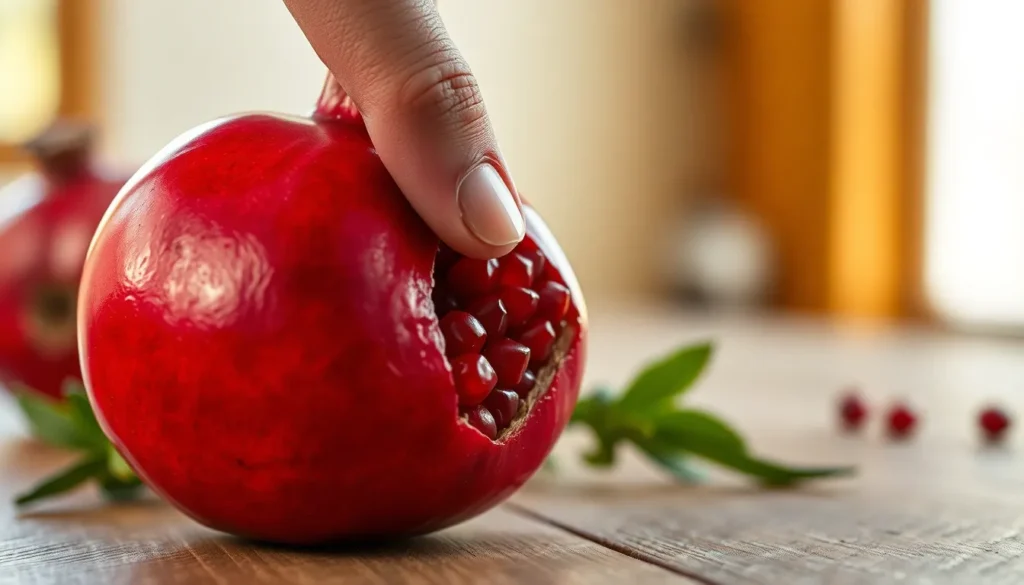
Pomegranates are a treasure trove of flavor and nutrition, but picking the perfect one can be a challenge. With their vibrant red exterior and jewel-like seeds, these fruits promise a burst of sweetness and health benefits. However, not all pomegranates are created equal, and knowing how to choose the right one can elevate any dish or snack.
When selecting a pomegranate, it’s essential to look beyond just the color. Factors like weight, shape, and even the skin’s texture play a crucial role in determining ripeness and flavor. This guide will walk through the key characteristics to identify a good pomegranate, ensuring that every bite is as delicious as it should be. Whether it’s for a refreshing salad or a flavorful juice, understanding how to pick a pomegranate can make all the difference.
Understanding Pomegranates
Selecting the right pomegranate elevates the enjoyment of this nutrient-rich fruit. Knowledge about its characteristics and varieties enhances the picking process.
The Importance of Choosing the Right Pomegranate
Choosing the right pomegranate impacts taste and culinary usage. A ripe pomegranate features balanced sweetness and tartness, enhancing dishes and snacks. An under-ripe fruit can lack flavor, while an overripe one may taste bland or mealy. Opting for a heavier pomegranate often indicates juiciness, as they contain plump seeds. Examining the skin for vibrant color, firmness, and smooth texture also signals ripeness. Ensuring the fruit’s quality leads to more satisfying culinary experiences.
Different Varieties of Pomegranates
Pomegranates come in several varieties, each offering unique flavors and attributes.
- Sweet Varieties: Includes ‘Wonderful’ and ‘Angel Red’, known for sweetness, ideal for fresh consumption.
- Sour Varieties: Features ‘Kandahar’, famous for its tart taste; often used in cooking and juices.
- Juicing Varieties: Such as ‘Parfianka’, recognized for high juice yield and rich flavor profile.
- Ornamental Varieties: Includes ‘Nana’, typically smaller, used for decorative purposes, not culinary.
Understanding these differences aids in selecting the right type based on preference and intended use.
Signs of Ripeness
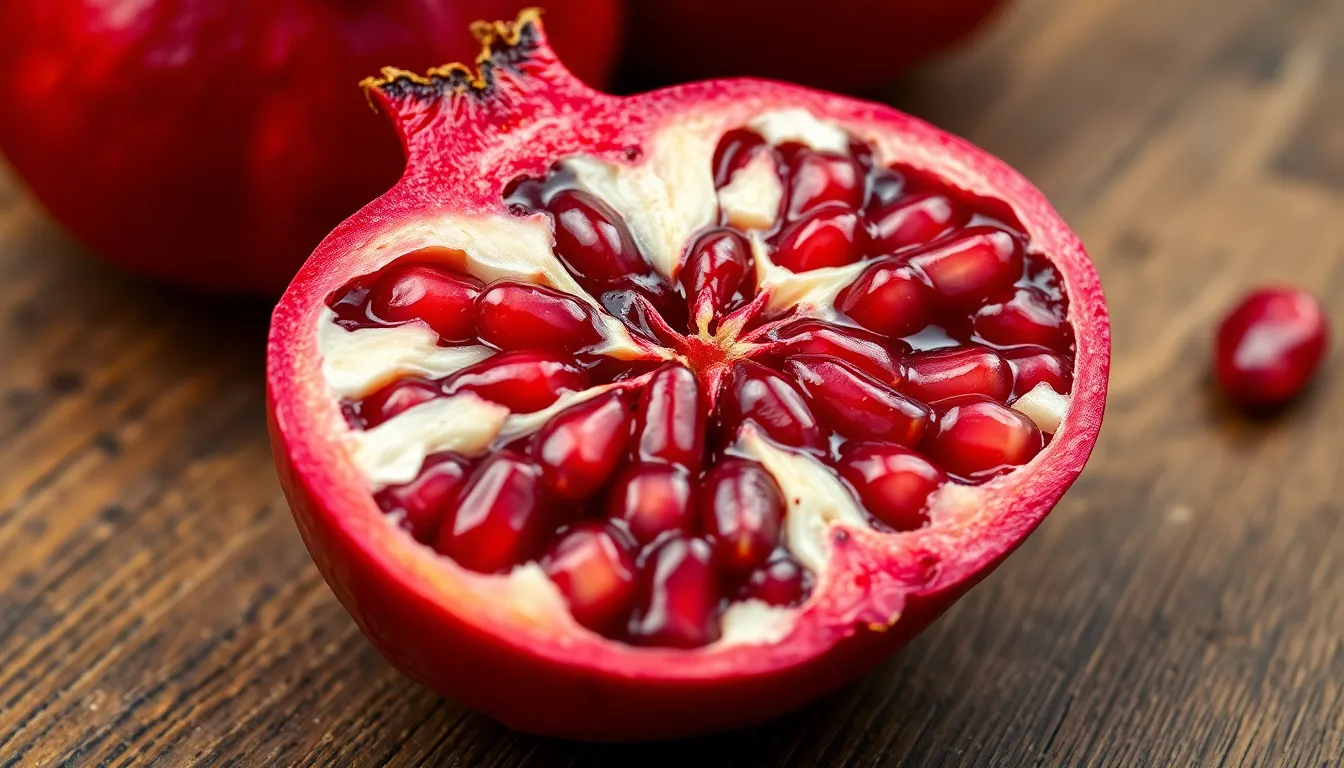
Identifying a ripe pomegranate relies on several visual and tactile cues. Observing these signs can enhance the selection process.
Color and Appearance
Choose pomegranates with a rich, vibrant color, ranging from deep red to purplish tones. Look for a consistent hue across the surface, indicating uniform ripeness. Avoid pomegranates with green patches, as these often signify under-ripeness. Additionally, examine the overall shape; a round shape generally indicates a full, juicy interior.
Size and Weight
Select larger pomegranates, as size often correlates with juiciness. A ripe pomegranate feels heavy for its size, indicating a plump, well-filled interior. Weighing the fruit can help, as heavier specimens tend to contain more juice. Conversely, lighter pomegranates may suggest dryness or overripeness.
Skin Texture
Inspect the skin texture closely. A ripe pomegranate features smooth, firm skin that has a slight sheen. Look for blemishes or wrinkles, which can indicate overripeness or poor quality. A few small scars are normal, but excessive imperfections may affect the fruit’s taste and quality.
Picking Techniques
Selecting the perfect pomegranate requires attention to various physical characteristics. Implementing the following techniques can significantly enhance the selection process.
Assessing Firmness
Firmness indicates the ripeness of a pomegranate. When selecting, gently squeeze the fruit; it should feel hard but not rock-solid. A ripe pomegranate offers slight give, demonstrating juiciness inside. In contrast, a fruit that feels too soft may be overripe and dry. Prioritize fruits that exhibit a firm, yet slightly pliable, texture for optimal results.
Inspecting the Crown
The crown, known as the calyx, plays a critical role in evaluating pomegranate quality. Check the calyx at the top of the fruit; a fresh, green crown suggests a ripe pomegranate. Conversely, brown or shriveled crowns indicate overripeness or poor quality. Ensure that the crown is intact and free from decay to guarantee a more flavorful experience.
Taste Testing
Taste testing enhances the selection process by identifying the flavor profiles of pomegranates. This method highlights the balance between sweetness and tartness, ensuring a more satisfying choice.
Sampling for Flavor Profiles
Sampling different pomegranate varieties showcases diverse flavor profiles. Sweet varieties like ‘Wonderful’ offer a rich, sugary flavor, while sour varieties like ‘Kandahar’ present a tangy taste. Juicing varieties such as ‘Parfianka’ provide a balanced mix, ideal for beverages. When sampling, cut open a fruit to reveal its seeds; the more vibrant and plump the arils, the more intense the flavor. Taste a few seeds from various types to discover personal preferences.
Ideal Sweetness Levels
Ideal sweetness levels vary among pomegranate varieties. Typically, a ripe pomegranate should exhibit a balanced sweetness grading between 15-20% sugar content. Sweet varieties provide a higher sugar concentration, while sour types contain lower sugar levels, with about 8-12% being common. When tasting, seek a balance where the sweetness complements the tartness without overshadowing it. An optimal pomegranate delivers flavor complexity and richness, elevating its culinary use in salads, juices, and desserts.
Storage and Handling
Storing and handling pomegranates properly ensures they maintain freshness and flavor. Optimal conditions prolong their shelf life and enhance the enjoyment of this nutritious fruit.
Proper Storage Methods
Store uncut pomegranates in a cool, dry place, such as a pantry, where they can remain fresh for up to two weeks. For longer preservation, refrigerate them in the produce drawer; this method can extend their freshness to up to two months.
Use a plastic bag with ventilation holes or keep them in the original packaging to prevent moisture accumulation. If the pomegranate is cut, store the arils in an airtight container in the refrigerator, where they can last up to five days. Freezing arils also preserves their quality for up to six months, providing a convenient way to savor their taste later.
How to Handle Pomegranates After Purchase
Handle pomegranates gently to avoid bruising or damaging the skin. When transporting pomegranates, keep them upright in a stable position to minimize the risk of impact.
Before cutting, wash the fruit under cool running water to remove any dirt or residue. Use a sharp knife to cut through the skin, making a clean incision for easier access to the seeds. When removing the arils, use a wooden spoon to tap along the back of the pomegranate, allowing the seeds to fall out with minimal effort and mess.
Choosing the right pomegranate can significantly enhance culinary experiences. By understanding the key characteristics of ripeness and flavor profiles readers can confidently select fruits that meet their preferences. Utilizing specific picking techniques and being mindful of storage will help maintain freshness and taste.
With this knowledge in hand selecting the perfect pomegranate becomes an enjoyable and rewarding process. Whether for snacking or adding to dishes the right choice will elevate the overall flavor and enjoyment. Embrace the vibrant world of pomegranates and savor their unique taste in every bite.