

Imagine a world where traffic jams are as rare as a unicorn sighting and your morning coffee is brewed by a friendly robot. Welcome to the realm of future cities technology, where innovation meets imagination to create urban landscapes that are not just livable but downright delightful. As cities evolve, they’re embracing cutting-edge solutions that promise to make daily life smoother, greener, and a whole lot more fun.
Overview of Future Cities Technology
Future cities technology integrates various innovative solutions to enhance urban living. Smart transportation systems utilize data analytics to optimize traffic flow, thereby reducing congestion and improving commuting times. Emphasis on sustainable energy sources empowers cities to reduce their carbon footprints. Solar panels, wind turbines, and advanced waste management systems play pivotal roles in this shift.
Automation and robotics redefine everyday tasks. They assist with services like waste collection and public safety monitoring, ensuring efficiency and reliability. Communication networks enhance connectivity between residents and city services, fostering inclusivity and engagement. This access to information helps citizens participate in local governance effectively.
Smart buildings utilize sensors and automation to regulate energy use. These structures adapt to occupancy levels, minimizing waste. Advanced materials contribute to building longevity and environmental resilience, addressing climate change challenges.
Urban agriculture emerges as a vital component of future city planning. Rooftop gardens, vertical farms, and community orchards enhance food security while promoting biodiversity. Integration into city landscapes fosters a connection between residents and their food sources.
Mobility innovations include electric vehicles and bike-sharing programs. These alternatives encourage sustainable transportation methods, promoting healthier lifestyles and reducing emissions. Smart parking solutions further alleviate urban congestion, as they guide drivers to available spots efficiently.
Security systems employ AI and surveillance technology for improved public safety. Predictive analytics identify potential crime hotspots, allowing law enforcement to allocate resources strategically. Together, these technologies create a safer environment for all.
While each element contributes uniquely to future urban landscapes, their combined impact fosters livable, sustainable, and connected communities.
Key Technologies Driving Future Cities
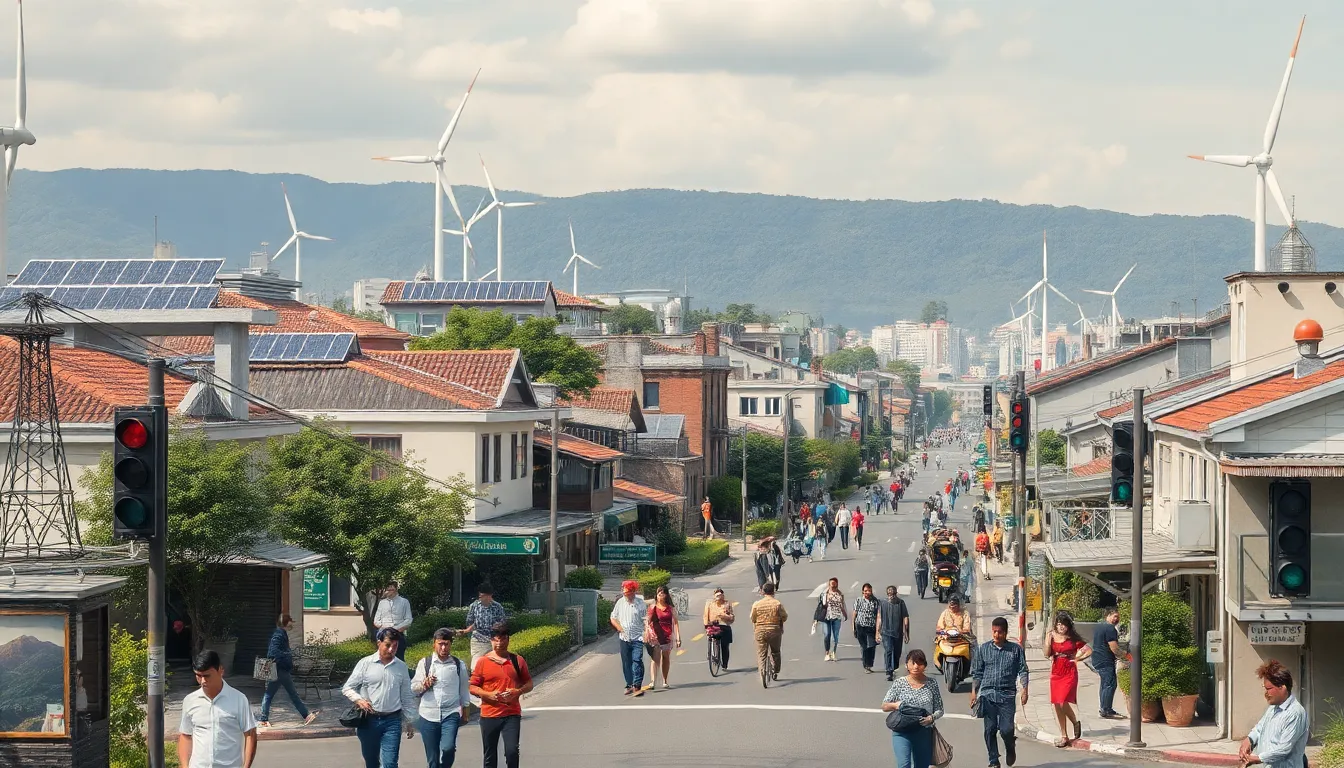
Future cities leverage a range of advanced technologies, enhancing urban living and promoting sustainability. Below are key components shaping these environments.
Smart Infrastructure
Smart infrastructure incorporates advanced materials and technologies that significantly improve urban resilience. Designed for efficiency, smart roads embed sensors that monitor traffic conditions in real-time. Detecting wear and tear, these roads enable proactive maintenance. Intelligent waste management systems utilize compactors equipped with sensors to optimize collection routes based on fill levels. Their integration minimizes operational costs and maximizes resources.
Internet of Things (IoT) Integration
IoT integration facilitates seamless communication between devices across urban landscapes. Smart traffic lights adjust in response to real-time data, reducing delays. Sensors in public spaces enhance monitoring of environmental conditions, providing insights into air quality. Residents benefit from connected public services, such as smart parking and energy management systems, streamlining daily activities. Gathering data from numerous sources boosts decision-making processes within city governance.
Sustainable Energy Solutions
Sustainable energy solutions focus on harnessing natural resources to power cities efficiently. Solar panels installed on rooftops and wind turbines integrated into buildings generate renewable energy. Energy storage systems enhance grid reliability by balancing supply and demand. Additionally, community-driven initiatives promote collective solar energy projects. Utilizing cleaner resources lowers carbon emissions, contributing to a healthier ecosystem for urban populations.
Benefits of Future Cities Technology
Future cities technology significantly enhances urban living. Innovations improve daily experiences, transforming how residents interact with their environment.
Improved Quality of Life
Technologies in future cities enhance convenience, making daily tasks easier. Automation in services like waste management and public safety reduces the burden on residents. Smart buildings regulate energy consumption, resulting in lower utility costs. Communication networks strengthen community bonds by facilitating resident engagement in governance. Healthcare access improves through telemedicine initiatives, allowing remote consultations and reducing travel needs. Mobility options, such as bike-sharing programs and electric vehicles, promote healthier lifestyles, encouraging physical activity. Overall, these advancements lead to increased satisfaction in urban living.
Environmental Sustainability
Future cities prioritize eco-friendly solutions that lower carbon footprints. Sustainable energy sources, including solar panels and wind turbines, harness natural resources effectively. Urban agriculture initiatives, like vertical farms, support food security and biodiversity while minimizing transportation emissions. Smart waste management improves recycling rates and reduces landfill dependency. Enhanced public transportation systems encourage the use of shared vehicles, decreasing traffic congestion. Improved air quality follows from reduced greenhouse gas emissions. Collectively, these factors contribute to healthier, more resilient urban ecosystems.
Challenges in Implementing Future Cities Technology
Implementing future cities technology faces several challenges that can hinder progress. Understanding these hurdles is crucial for facilitating a smoother transition to more advanced urban environments.
Funding and Investment Hurdles
Securing sufficient funding poses a significant challenge for future cities technology initiatives. Governments often struggle to allocate budgets effectively given competing priorities. Private investors may hesitate due to perceived risks in new technologies. Furthermore, public-private partnerships can become complex and slow, impeding timely project execution. Limited financial resources may lead to choosing short-term solutions over transformative long-term investments.
Technology Adoption Barriers
Resistance to adopting new technologies also presents a barrier. Stakeholders may fear change due to potential disruptions to established processes. Training requirements for staff can deter organizations from embracing advanced solutions. Legacy systems may lack compatibility with emerging technologies, complicating integration. Finally, public skepticism regarding data privacy and security often hampers acceptance of smart innovations. Overcoming these barriers requires continuous education and clear communication about the benefits and security measures in place.
Case Studies of Innovative Future Cities
Cities around the world are implementing innovative technologies to enhance urban living. Examples illustrate the benefits of smart solutions in transforming urban spaces.
Example City 1
Barcelona, Spain, exemplifies a future city through its Smart City initiative. This program utilizes connected sensors to manage waste collection efficiently, reducing costs by up to 20%. Improved traffic management integrates real-time data, which enhances mobility by cutting commute times. Additionally, the city promotes sustainable energy through solar panels installed on public buildings, generating 3.5 MW of power. These measures not only improve residents’ quality of life but also lower carbon emissions significantly.
Example City 2
Singapore stands as another leading example of future cities technology. The Smart Nation initiative integrates data analytics to improve public services, providing faster emergency response times. A successful electric vehicle network supports over 12,000 charging points across the city, promoting cleaner transportation. Urban agriculture initiatives, including community gardens, engage residents in sustainable food practices and enhance local biodiversity. Overall, these innovations create a more connected, efficient, and sustainable urban environment.
The vision of future cities technology offers a glimpse into a world where urban living is redefined. With innovations that prioritize sustainability and efficiency, these cities are set to enhance quality of life for residents. As technology continues to evolve, the integration of smart solutions will play a crucial role in fostering connected communities.
While challenges remain in funding and public acceptance, the potential benefits far outweigh the hurdles. Through collaboration and education, stakeholders can pave the way for a smoother transition into these advanced urban environments. The journey toward future cities is not just about technology; it’s about creating spaces that are livable, inclusive, and resilient for generations to come.