

Electric vehicles are zooming into the fast lane, and at the heart of this revolution lies the unsung hero: battery technology. As EVs become the darlings of eco-conscious drivers, the latest advancements in battery tech are like the secret sauce that makes these cars not just green but also zippy. Imagine a world where your car charges faster than you can find a parking spot—sounds dreamy, right?
Recent Advancements in EV Battery Technology
Innovations in electric vehicle battery technology drive the growth of eco-friendly transportation. Efficient and reliable batteries are crucial for the success of EVs.
Solid-State Batteries
Solid-state batteries represent a major leap in efficiency and safety for electric vehicles. Enhanced energy density in these batteries can double the range compared to traditional lithium-ion options. Manufacturers like Toyota and QuantumScape are leading the push for solid-state technology. These batteries utilize solid electrolytes, reducing fire hazards and improving overall performance. Early prototypes hit the market, indicating a future where EVs can achieve longer ranges and faster charging times.
Lithium-Ion Innovations
Lithium-ion battery improvements continue to enhance electric vehicle performance. Researchers focus on increasing energy density, achieving up to 300 Wh/kg in some advanced cells. Tesla, along with various manufacturers, continues exploring silicon anodes, which offer higher capacity. Enhanced thermal management also plays a role, allowing batteries to operate efficiently under various conditions. Such advancements contribute to longer lifespans and reduced charging durations, making EVs more accessible.
Market Trends and Their Impact
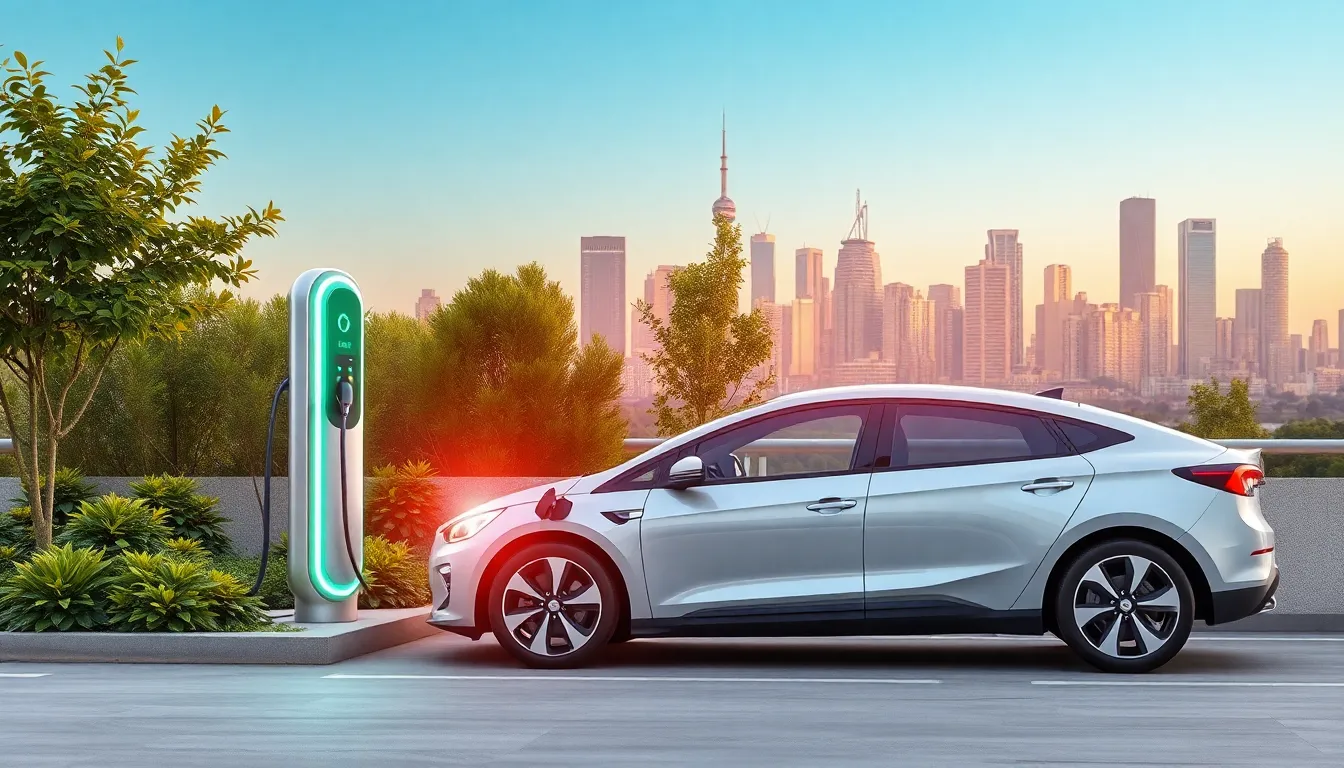
Market trends in EV battery technology reflect the increasing demand for efficient and sustainable transport. Growth in electric vehicle adoption drives innovation and competition within the battery sector.
Growth of the EV Battery Market
The EV battery market has experienced substantial growth, expanding from $25 billion in 2019 to an estimated $100 billion by 2027. Factors influencing this growth include stricter emissions regulations and increasing concerns over climate change. As battery prices decrease, manufacturers are incentivized to invest in research and development. This trend enhances the feasibility of solid-state and lithium-ion technologies. In addition, advancements in battery recycling processes promote a circular economy, further bolstering market expansion.
Key Players in the Industry
Several key players dominate the EV battery landscape. Companies like Panasonic, LG Chem, and CATL lead the production of lithium-ion batteries, catering to various automotive manufacturers. Additionally, new entrants like Tesla are pushing boundaries with innovation in battery technology. Solid-state battery pioneers, such as QuantumScape and Toyota, are gaining attention for their potential to revolutionize energy storage. Strategic partnerships and collaborations amplify the reach of these players, accelerating the development of next-generation batteries and enhancing market competitiveness.
Environmental Considerations
Environmental factors play a critical role in the development of EV battery technology. Focus on sustainability is essential for minimizing the ecological impact of battery production and end-of-life management.
Sustainability in Battery Production
Sustainable practices in battery production are becoming increasingly necessary. Manufacturers prioritize the use of ethically sourced materials like lithium and cobalt, which can reduce environmental harm. Developing low-impact extraction methods and improving energy efficiency during production further support these sustainability efforts. Innovations in battery design also aim to decrease the overall material usage, leading to a lower carbon footprint throughout the life cycle. Research indicates that solid-state batteries have the potential to be more environmentally friendly due to reduced reliance on scarce resources.
Recycling and Disposal Challenges
Recycling EV batteries poses significant challenges that need addressing. Many batteries contain hazardous materials that require careful handling to prevent environmental damage. Effective recycling processes can recover valuable materials, such as lithium and nickel, but current systems are not yet widespread. Establishing efficient and accessible recycling infrastructure will promote battery reuse and better resource recovery. Regulations and standards can guide the safe disposal of batteries, minimizing risks to ecosystems. The industry is exploring closed-loop systems to facilitate battery lifecycle management, ensuring that old batteries support the creation of new ones.
Future Predictions for EV Battery Technology
Anticipating future developments in EV battery technology showcases exciting possibilities. Innovations continue to emerge that could reshape the automotive landscape.
Upcoming Technologies
Solid-state batteries promise to transform the EV market, potentially offering double the range of current lithium-ion options. Companies like Toyota and QuantumScape actively pursue advancements in solid electrolytes, which enhance performance and reduce fire risks. Lithium-sulfur batteries also enter the conversation, boasting higher energy densities and lower production costs compared to traditional batteries. Researchers continuously explore silicon anodes, aiming to increase capacity and overall performance. Rapid advancements in fast-charging technologies may result in significantly shorter charging times, aligning with consumer expectations for convenience.
Potential Market Shifts
The EV battery market might surpass estimates, predicted to reach $100 billion by 2027 as demand for sustainable transport grows. Stricter emissions regulations prompt manufacturers to invest in innovative battery solutions. Increasing concerns about climate change influence consumer preferences, driving the shift towards electric vehicles. Burgeoning collaborations among industry leaders foster competitive advancements, positioning companies like Panasonic and LG Chem to lead the market. As battery prices decline, accessibility improves, encouraging both consumers and manufacturers to embrace electric mobility solutions.
The evolution of EV battery technology is crucial for the future of sustainable transportation. With innovations like solid-state batteries and advancements in lithium-ion technology, the industry is poised for significant growth. As manufacturers continue to collaborate and push boundaries, consumers can expect faster charging times and longer ranges.
The increasing demand for eco-friendly vehicles is driving investment in research and development, leading to a more competitive market. Addressing the environmental challenges of battery production and disposal will be essential for a truly sustainable future. The focus on ethical sourcing and recycling solutions will play a key role in shaping the next phase of EV battery technology, ensuring that it aligns with global sustainability goals.