
In today’s fast-paced culinary world, staying ahead means embracing the latest restaurant technology. From AI-powered ordering systems to contactless payments that make diners feel like they’re living in the future, innovation is serving up a feast of possibilities. But don’t worry—this isn’t just a techy snooze-fest; it’s a delicious blend of efficiency and flavor that’ll keep your restaurant buzzing.
Current Trends in Restaurant Technology
Adopting innovative technologies remains essential for enhancing efficiency and the dining experience. Recent trends reflect significant advancements in mobile ordering and payment solutions.
Mobile Ordering Innovations
Mobile ordering technology has transformed how customers engage with restaurants. Customers now enjoy convenience through apps that allow ordering from anywhere. Frequently, these apps integrate features like real-time tracking and personalized recommendations. Restaurant operators benefit from data analytics, enabling them to manage inventories effectively. Some establishments report sales increases of 30% after implementing mobile ordering systems. Seamless user experiences often result in repeat business, solidifying customer loyalty and satisfaction.
Contactless Payment Solutions
Contactless payment solutions are gaining traction across the restaurant sector. Many diners prefer these methods for their speed and safety, especially post-pandemic. Systems like NFC technology allow quick transactions, reducing wait times. Enhanced security measures, such as tokenization, protect customer data and build trust. Studies indicate that 60% of customers appreciate the option for contactless payments during their dining experiences. Integrating these solutions not only streamlines processes but also elevates overall customer satisfaction.
Impact of AI on the Restaurant Industry
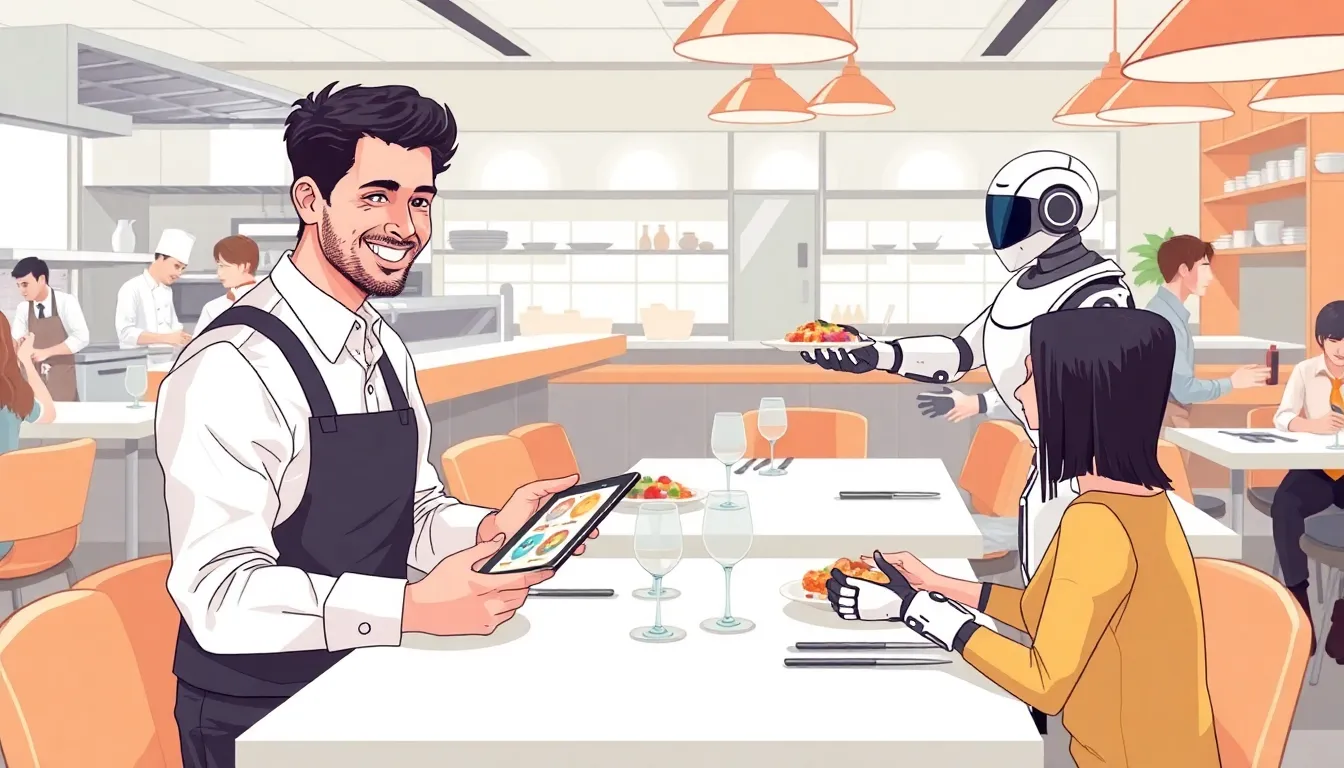
AI technology is reshaping the restaurant industry. Its integration into various operations enhances efficiency and customer experience.
AI-Powered Customer Service
AI-powered systems streamline customer interactions. Chatbots manage reservations, provide menu information, and address inquiries 24/7. They improve response times, ensuring diners receive immediate assistance. Personalization also thrives, as these systems analyze order history, offering tailored recommendations. Businesses experience increased customer satisfaction and retention rates due to these efficient service enhancements.
Predictive Analytics for Inventory Management
Predictive analytics plays a crucial role in inventory management. By analyzing past sales data and trends, restaurants forecast demand accurately. This practice reduces food waste and optimizes purchasing decisions. Managers adjust inventory levels accordingly, ensuring that popular items remain in stock while minimizing surplus. The overall financial health of establishments improves through cost reduction and increased operational efficiency.
Emerging Technologies Shaping Restaurants
Emerging technologies reshape the restaurant landscape, enhancing both efficiency and customer experience.
Kitchen Automation Technologies
Kitchen automation technologies streamline food preparation processes. Robotic systems handle repetitive tasks like chopping, mixing, and plating, which reduces labor costs. Smart appliances communicate with each other, optimizing energy use and minimizing waste. Equipment that employs machine learning can adapt cooking times based on the ingredients used, ensuring consistent quality. Additionally, automated inventory management systems track stock levels in real-time, alerting staff when supplies run low. These advancements increase productivity, allowing chefs to focus on creativity and quality.
Smart Menu Solutions
Smart menu solutions leverage data to enhance dining experiences. Digital menus equipped with AI personalize offerings based on previous orders and customer preferences. Diners receive real-time updates on item availability, ensuring timely decisions. Some systems feature dynamic pricing, adjusting rates based on demand and peak hours, which maximizes revenue opportunities. Integration with mobile apps allows customers to place orders directly, reducing wait times. Such innovations not only elevate convenience but also improve customer engagement, leading to increased satisfaction and loyalty.
Case Studies of Successful Implementations
Restaurant technology continues evolving as establishments embrace innovative tools. Notable examples showcase how different types of restaurants effectively integrate these advancements.
Notable Restaurant Chains Adopting Technology
Large restaurant chains set precedents in technology adoption. For instance, Domino’s utilizes AI for predictive ordering, which ensures they meet customer demands efficiently. Starbucks leverages mobile ordering systems, allowing customers to place and pay for orders in advance, significantly reducing wait times. Chipotle’s integration of kitchen automation minimizes food preparation time, enhancing overall service speed. These leading companies demonstrate that embracing technology can lead to substantial improvements in customer experience and operational efficiency.
Independent Restaurants Leveraging Tech
Independent restaurants also benefit from the latest technologies. A local bistro implemented a contactless payment system, boosting customer satisfaction through faster transactions. Another establishment adopted an AI-driven inventory management tool, effectively reducing food waste by forecasting ingredient needs. Additionally, a small café utilized a mobile ordering app to enhance customer engagement and streamline service. These cases illustrate how independent venues harness technology to compete in the culinary landscape while personalized offerings enhance their unique appeal.