
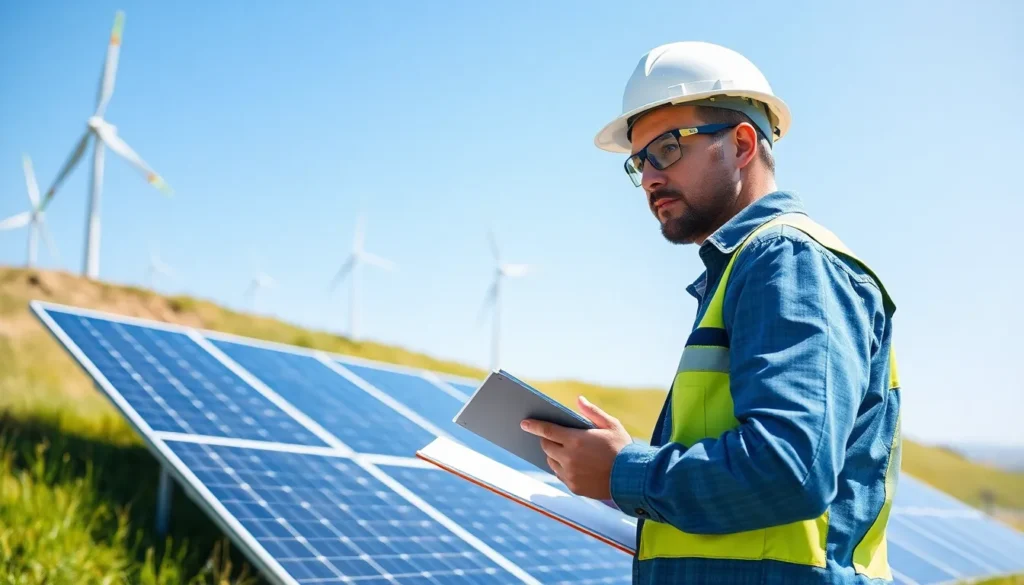
In a world where charging your phone feels like a mini workout, emerging energy technologies are here to save the day. These innovations promise to transform how we generate, store, and use energy, making our lives easier and more sustainable. Imagine a future where your car runs on sunshine and your home is powered by the wind—sounds like a sci-fi movie, right?
Overview Of Emerging Energy Technologies
Emerging energy technologies focus on enhancing efficiency in energy generation, storage, and consumption. Innovative solutions such as solar photovoltaics and wind turbines contribute significantly to renewable energy landscapes. These technologies not only aim to replace fossil fuels but also reduce greenhouse gas emissions.
Battery storage systems represent a crucial development, allowing for energy storage from intermittent sources like solar and wind. Advanced lithium-ion batteries demonstrate improved energy density and lifespan, making them viable for residential and industrial applications. Additionally, solid-state batteries could revolutionize electric vehicle markets with enhanced safety and efficiency.
Hydrogen fuel cells stand out as another promising technology. Utilizing hydrogen, these cells convert chemical energy into electricity, offering a clean alternative to traditional power sources. Applications range from powering vehicles to providing energy for industrial processes, showcasing versatility.
Smart grids play a vital role in optimizing energy distribution. By integrating digital communication technology, these grids enhance reliability and efficiency. Real-time data analysis allows for better management of energy consumption patterns, promoting sustainability.
Furthermore, geothermal energy extraction is gaining momentum. Tapping into Earth’s heat provides a consistent energy source with minimal environmental impact. Enhanced geothermal systems can expand the reach of this technology beyond traditional areas.
Innovations like carbon capture, utilization, and storage (CCUS) also address environmental challenges. By capturing carbon emissions produced from industrial sources, CCUS techniques enable continued utilization of fossil fuels with reduced ecological footprints.
The rapid development of these technologies reflects the urgent need to transition to sustainable energy solutions. Continuous investment and research are critical for harnessing their potential and achieving long-term energy goals.
Renewable Energy Innovations
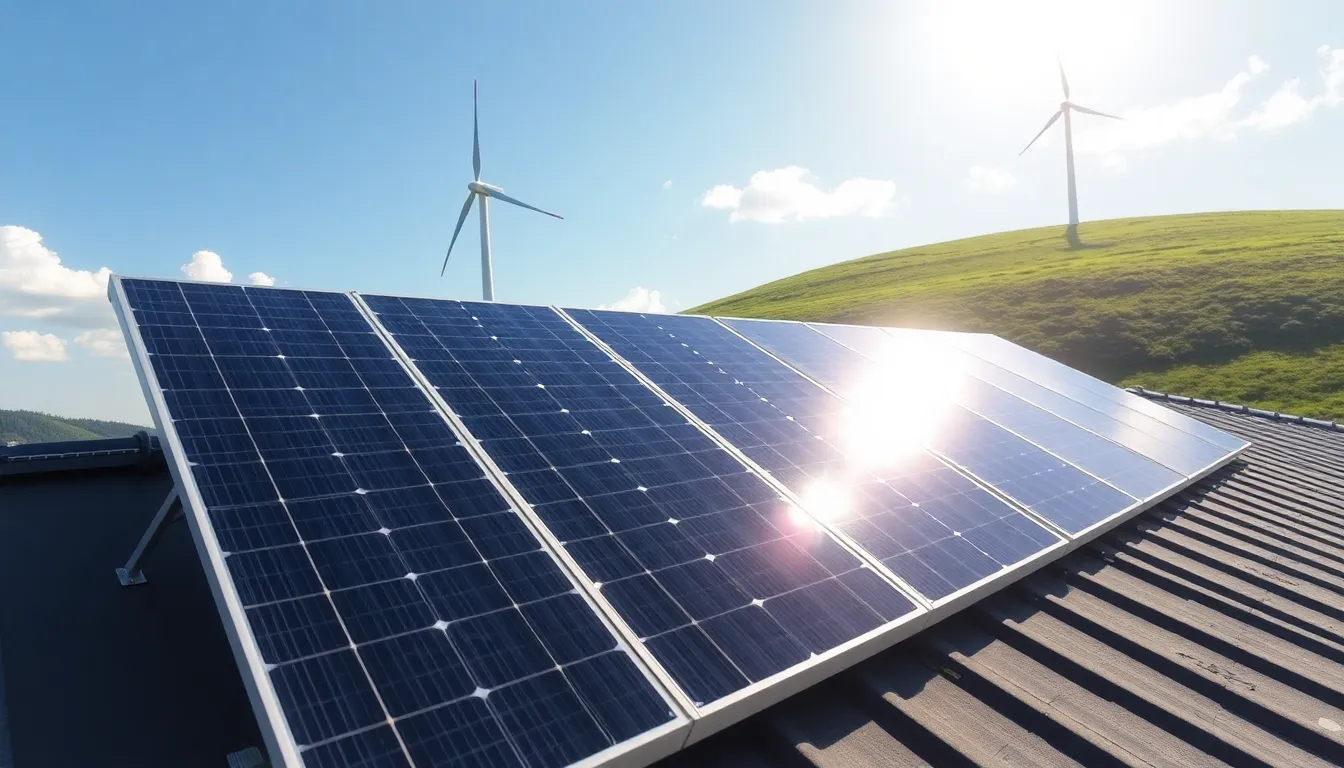
Renewable energy innovations play a vital role in the evolution of sustainable energy solutions. These advancements drive the transition from traditional energy sources to cleaner alternatives.
Solar Energy Advances
Innovations in solar energy technology enhance efficiency and affordability. New solar photovoltaics increase energy conversion rates beyond 23%, making them more effective. Bifacial panels, which capture sunlight on both sides, yield up to 27% more energy than conventional models. Furthermore, integrating solar energy with building materials leads to stylish, energy-generating structures. Concentrated solar power systems utilize mirrors to focus sunlight, generating high-temperature heat and increasing overall energy output. These developments make solar energy an attractive option for residential use and large-scale installations alike.
Wind Energy Developments
Advancements in wind energy technology significantly boost energy generation capabilities. New turbine designs feature larger blades and taller towers, allowing them to harness stronger winds, increasing output up to 50%. Additionally, floating wind farms enable operations in deeper waters, expanding locations where energy generation occurs. Offshore wind energy, accounting for nearly 10% of total wind energy capacity, is projected to grow substantially. Innovations in predictive maintenance, powered by artificial intelligence, enhance turbine lifespan and reliability. Collectively, these developments solidify wind energy’s position as a critical player in a renewable energy future.
Energy Storage Solutions
Energy storage solutions are critical for managing the variability of renewable energy sources. Advances in technology lead to more efficient methods of storing energy, making it easier to integrate renewable sources into daily life.
Battery Technology Evolution
Lithium-ion batteries represent a significant leap in energy storage capabilities. Improved energy density allows these batteries to store more power in smaller sizes. Solid-state batteries are currently under development, promising longer lifespans and enhanced safety. These innovations cater to both residential and industrial energy demands. In 2022, the global battery market reached approximately $38 billion, showcasing rapid growth. Enhanced recycling methods also contribute to sustainable battery solutions, minimizing environmental impacts.
Alternative Storage Methods
Pumped hydro storage stands as a well-established method for large-scale energy management. This approach utilizes gravitational potential energy by moving water between elevations. Thermal energy storage captures excess heat generated from renewable sources, allowing energy release when needed. Chemical storage methods, including hydrogen production via electrolysis, offer a promising alternative for long-term energy solutions. Flow batteries add flexibility, allowing for scalability based on specific needs. Each of these methods enhances the reliability and efficiency of energy systems, supporting a cleaner energy future.
Smart Grid Technologies
Smart grid technologies play a pivotal role in modernizing electricity networks. They utilize advanced communications and digital technology to enhance energy distribution and consumption efficiency.
Enhanced Energy Management
Enhanced energy management systems analyze real-time data to optimize energy use. They adjust consumption patterns based on supply and demand fluctuations. Smart meters provide data that allows consumers to monitor usage, leading to informed energy decisions. Integration with renewable resources like solar and wind enables better energy allocation when production varies. According to the U.S. Department of Energy, smart grid technologies can lead to a 10 to 30 percent reduction in energy costs for consumers. This integration not only promotes sustainability but also supports grid stability.
Grid Flexibility Solutions
Grid flexibility solutions ensure that energy systems can adapt to changing conditions. Technologies such as demand response enable customers to reduce or shift their electricity usage during peak periods. Battery storage systems provide the necessary backup when renewable sources fluctuate, particularly during cloudy or windless days. The International Energy Agency reports that deploying more flexible solutions could ultimately save over $100 billion by 2040. Microgrids allow localized energy management, which increases resilience during outages or emergencies. These innovations augment grid reliability and assist in meeting evolving energy demands effectively.
Hydrogen and Fuel Cell Technologies
Hydrogen and fuel cell technologies represent a clean alternative for energy production. Focusing on innovation, various production techniques have emerged, complementing this technology.
Hydrogen Production Techniques
Electrolysis stands out as a key method for hydrogen production. This process uses electricity to split water into hydrogen and oxygen. When powered by renewable energy sources, electrolysis becomes a highly sustainable option. Steam methane reforming also plays a significant role; it extracts hydrogen from natural gas but emits carbon dioxide. As technological advances continue, researchers explore alternative methods such as biomass gasification and thermochemical processes, which aim to lower emissions. In 2021, global hydrogen production reached approximately 70 million metric tons, emphasizing the growing interest in this energy carrier.
Applications of Fuel Cells
Fuel cells transform hydrogen into electricity through a chemical reaction. In transportation, fuel cell electric vehicles provide zero-emission alternatives to traditional combustion engines. They enable longer ranges and quick refueling times compared to battery electric vehicles. Additionally, stationary fuel cells supply power for buildings and industrial sites, enhancing energy efficiency. Portable fuel cells serve essential functions in backup power systems, demonstrating versatility across various settings. In 2022, the global fuel cell market was valued at around $7.7 billion, showcasing expanding applications and investments in clean energy solutions.
The future of energy lies in the hands of emerging technologies that promise to reshape how society generates and consumes power. With innovations in renewable sources like solar and wind energy combined with advanced storage solutions and smart grid systems, a cleaner and more sustainable energy landscape is on the horizon.
As these technologies continue to evolve and gain traction, they not only address the pressing need for reduced emissions but also enhance energy efficiency and reliability. The commitment to ongoing research and investment in these areas will be crucial in overcoming challenges and unlocking the full potential of sustainable energy solutions. Embracing these advancements will lead to a more resilient energy future, benefiting both the environment and the economy.